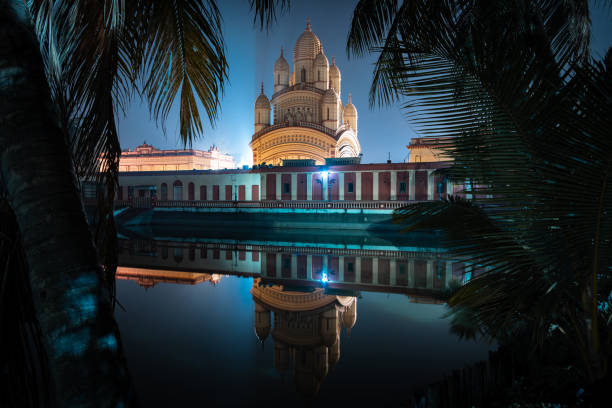
The History of Kalika Temple: A Sacred Abode of the Divine Mother
Introduction
The Kalika Temple, dedicated to Goddess Kali—the fierce and compassionate form of the Divine Mother—holds immense spiritual significance in Hindu tradition. Known for its powerful energy and deep-rooted history, the temple is a symbol of devotion, mysticism, and divine protection. While there are several Kalika temples across India and Nepal, some of the most renowned ones include the Kalika Temple in Ujjain (Madhya Pradesh), Kalighat Temple in Kolkata (West Bengal), and Maa Kalika Temple in Chitrakoot (Uttar Pradesh). Each has its own unique legend and historical evolution, but all share a common thread: the worship of Maa Kali, the goddess of time, destruction, and liberation.
Origins and Mythological Significance
The history of Kalika temples is intertwined with ancient scriptures, Puranas, and local legends.
Kalika Purana and Shakti Tradition:
The Kalika Purana, a sacred text dedicated to Goddess Kali, describes her as the supreme primordial energy (Adi Shakti). She is often associated with Mahakali, the destroyer of evil, and Bhadrakali, the benevolent protector. The worship of Kali dates back to the Vedic period, but her prominence grew during the Puranic era (300–1000 CE), when tantric traditions flourished.
Legend of Goddess Kali:
According to mythology, Goddess Kali emerged from the forehead of Goddess Durga during her battle with the demon Raktabija. Her fierce form symbolizes the destruction of ignorance and the triumph of divine power. Many Kalika temples are believed to be Shakti Peethas—sacred sites where parts of Goddess Sati’s body fell after her self-immolation.
Connection to Lord Shiva:
Kali is often depicted standing on Lord Shiva, representing the balance between creation and destruction. Many Kalika temples also house a Shiva lingam, signifying the union of Shakti (energy) and Shiva (consciousness).
Historical Evolution of Key Kalika Temples
1. Kalighat Temple, Kolkata (West Bengal)
Age and Significance:
The Kalighat Temple is one of the oldest and most revered Kali temples in India. While its exact origins are unclear, references to a Kali shrine in Kolkata date back to 15th–16th century texts. The present structure was built in 1809 by the Sabarna Roy Chowdhury family, the original landowners of Kolkata.
Shakti Peetha Status:
It is considered a Shakti Peetha, where the right toe of Goddess Sati is believed to have fallen. The temple’s Harkath Tala (a sacred spot near the sanctum) is said to be the place where the toe was discovered.
British Era and Modern History:
During British rule, the temple gained prominence as a center of Bengali culture and spirituality. Ramakrishna Paramahamsa, the 19th-century mystic, was a devotee of Maa Kali and frequently visited Kalighat.
2. Kalika Temple, Ujjain (Madhya Pradesh)
Ancient Roots:
The Kalika Temple in Ujjain is mentioned in the Skanda Purana and is believed to have been established by King Chandrasena of the Paramara dynasty (6th–12th century CE). Ujjain, an ancient city, was a hub of tantric practices, and the temple became a key center for Kali worship.
Maratha Influence:
The temple was later renovated by the Maratha ruler Ranoji Scindia in the 18th century. Its architecture reflects a blend of North Indian and Maratha styles.
Navratri Celebrations:
The temple is famous for its Navratri festivals, where thousands of devotees gather to seek the goddess’s blessings.
3. Maa Kalika Temple, Chitrakoot (Uttar Pradesh)
Ramayana Connection:
Chitrakoot is closely linked to Lord Rama’s exile. The Kalika Temple here is said to have been visited by Rama, Sita, and Lakshmana during their stay in the forests. The goddess is worshipped as “Chitrakoot Vasi” (the resident of Chitrakoot).
Medieval History:
The temple was rebuilt by Bundela kings in the 17th century and remains a major pilgrimage site for Ram bhakts (devotees of Rama).
4. Other Notable Kalika Temples
Dakshineswar Kali Temple (Kolkata):
Built in 1855 by Rani Rashmoni, this temple is famous for its association with Ramakrishna Paramahamsa and Sarada Devi.
Kamakhya Temple (Assam):
While primarily a Kamakhya temple, it is also a Shakti Peetha where Kali is worshipped in her tantric form.
Architectural Features
Kalika temples typically feature:
Black Stone Idols: Kali is often depicted with a dark complexion, symbolizing the formless void (Mahakala).
Tantric Symbols: Many temples include yantras (geometric diagrams) and sacred fires (havan kunds) for tantric rituals.
Sacred Water Bodies: Some temples, like Kalighat, have holy ponds (Kunds) used for ritual baths.
Cultural and Spiritual Impact
Tantric Traditions:
Kalika temples are centers of Shaktism and Tantra, where rituals like Aarti, Bali (animal sacrifice in some regions), and mantra chanting are performed.
Festivals:
Kali Puja, Diwali, and Navratri are celebrated with grandeur. In West Bengal, Kali Puja is a major festival, marked by fireworks, bhajans, and night-long worship.
Literary and Artistic Influence:
Poets like Ramprasad Sen and Kamalakanta Bhattacharya composed devotional songs (Bhakti Sangeet) dedicated to Maa Kali, enriching Bengali culture.
Legends and Miracles
Protection from Evil:
Devotees believe that worshipping at Kalika temples shields them from black magic, negative energies, and misfortunes.
Fulfillment of Wishes:
Many pilgrims visit to seek justice, healing, and liberation (moksha). Stories of miraculous healings and divine interventions are common.
Tantric Sadhana:
Some temples, like those in Kamakhya and Tarapith, are known for tantric sadhana (spiritual practices), attracting ascetics and seekers.
Modern-Day Significance
Today, Kalika temples are not just religious sites but also cultural landmarks. They attract millions of devotees, tourists, and spiritual seekers every year. The Kalighat Temple in Kolkata, for instance, is a must-visit for anyone exploring the city’s heritage.
Conclusion
The history of Kalika temples is a tapestry of mythology, devotion, and architectural splendor. From ancient Shakti Peethas to medieval royal patronages, these temples stand as testaments to the enduring power of Maa Kali—the goddess who destroys evil and bestows liberation. Whether you seek spiritual awakening, protection, or cultural enrichment, a visit to a Kalika temple offers a profound experience of divine grace and timeless tradition.